


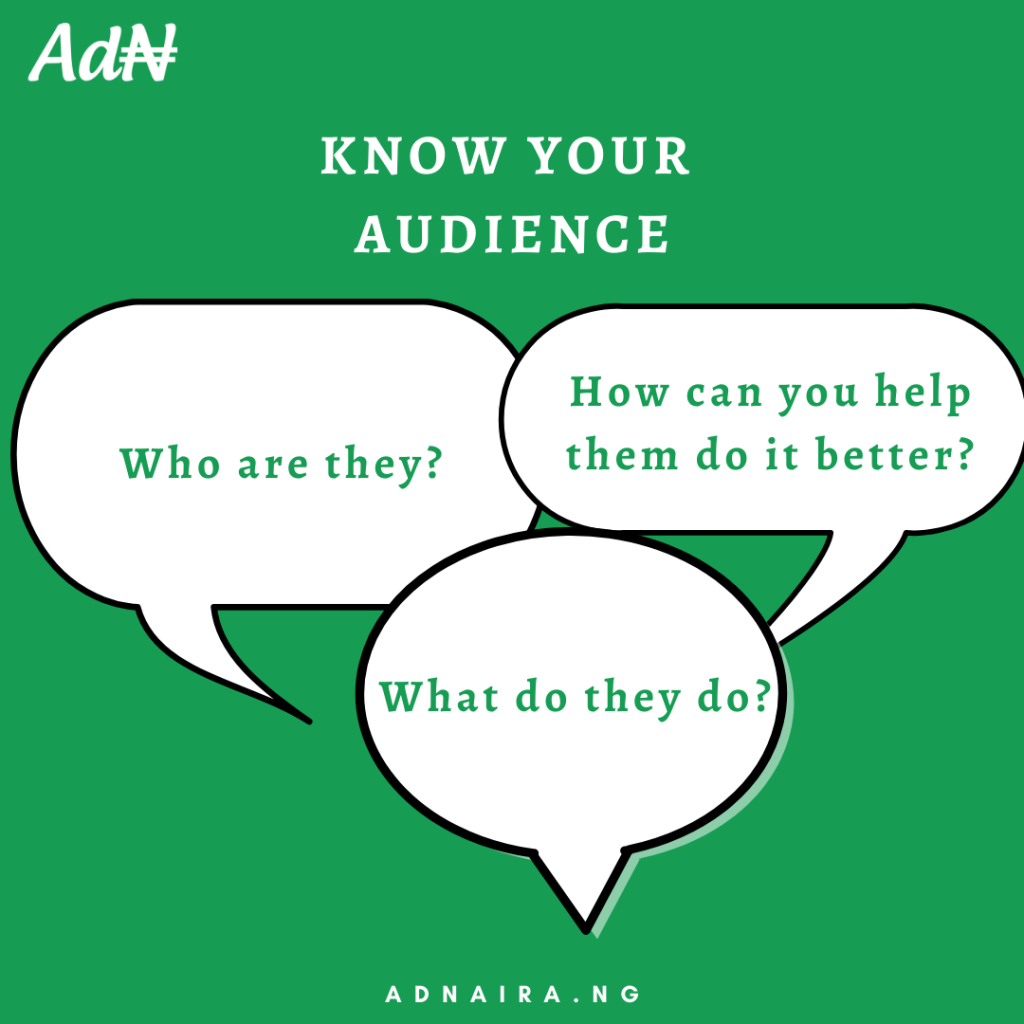
Knowing your consumers and their habits will provide you with insight into their distinct markets. There are several tools available to help you understand and measure your consumers’ purchase habits.
You may design customer personas to aid in the development of your digital marketing and branding strategy.
Monitoring habits and outcomes using Google Trends can also keep you up to date on important issues.
Why should you get to know your customers?
When developing content marketing strategies or ads to promote your business, it’s natural to get carried away with the creative features and lose sight of your target audience’s unique requirements, interests, and preferences. However, customers are the soul of your business, and getting beneath their skin is the only method to engage, motivate, and connect in a genuine and useful way.
This is because:
- Customer service is important to 96 percent of consumers when it comes to their brand and business loyalty.
- Businesses that are at the forefront of customer experience efforts beat slackers by nearly 80%.
- 90 percent of top CEOs believe that the customers have the greatest effect on their business.
- 91 percent of target consumers, especially digital natives, prefer to purchase with businesses that give relevant offers and suggestions.
Tips on Knowing Your Customers
1. Become analytical across all touchpoints.
We are practically drowning in data in the digital age. Clearly, consumer data and insights are gold dust for businesses wanting to gain a deep and meaningful understanding of their client base. But, are you making the best most of your data?
Though Google Analytics is essential for collecting value from your different demographic insights, digging deeper into multiple data sources across touchpoints will provide you with a comprehensive view of your consumers’ habits, interests, and actions.
You’ll be able to construct profiles or personas that boost your marketing communications significantly by leveraging social media analytics tools and mobile data platforms to gather a slew of in-depth insights across your key consumer touchpoints.
2. Start a conversation
Starting a dialogue with your customers is without a doubt one of the most direct and valuable ways of getting to know them.
By meeting your customers where they are, you will be able to discover how they engage with their counterparts while asking them pertinent questions in an organic rather than invasive manner. And, if you ask the right questions, you will receive the correct answers—the sort that will substantially improve your brand experience.
From surveys and polls to social listening, there are several methods to connect with your consumers and get to know them where they are most relaxed.
3. Personally respond to both good and negative feedback.
Building on the preceding point, it is always beneficial to reply to both good and negative customer evaluations in a productive and timely manner.
You should continue to provide personal answers to consumer evaluations in the public domain, regardless of where they are placed. This will humanize your brand, demonstrate your dedication to the consumer experience, and offer you more dialogue insights.
4. Organize an event or an experience
When it comes to getting to know your consumers, experiential marketing can be a highly rewarding endeavor—if done correctly. According to research, Millennials prioritize experiences over material goods. And, whereas today’s generation is more focused on new devices and interesting items in terms of consumer mindset, this ‘woke’ generation is concerned with rewarding brand experiences.
5. Customize your offers, discounts, and incentives
Returning to the significance of personalization for a moment: if you offer your customers personalized deals and discounts, you are more likely to develop brand loyalty, which will allow you to get to know them better. The great majority of today’s consumers—72 percent to be exact—won’t connect with anything unless it is customized.
6. Launch a mobile loyalty program.
In terms of cultivating trust and long-term connections, developing a customer loyalty program will not only increase consumer retention rates but will also set up a continuous channel of communication between your business and your audience. Loyalty programs, according to 83 percent of customers, make them more inclined to continue connecting with certain businesses.
7. Hold a ‘day in the life’ competition.
Actively thanking your consumers can foster trust and loyalty, increasing the likelihood that they will connect with your business across many touchpoints. And holding a “day in the life” contest is a great method to do this.
This is a less-traveled road, but by being brave and being an early adopter, you stand to command attention while getting a lot of social media traction.
Comments are closed for this post.